Youth's Lives Every Day
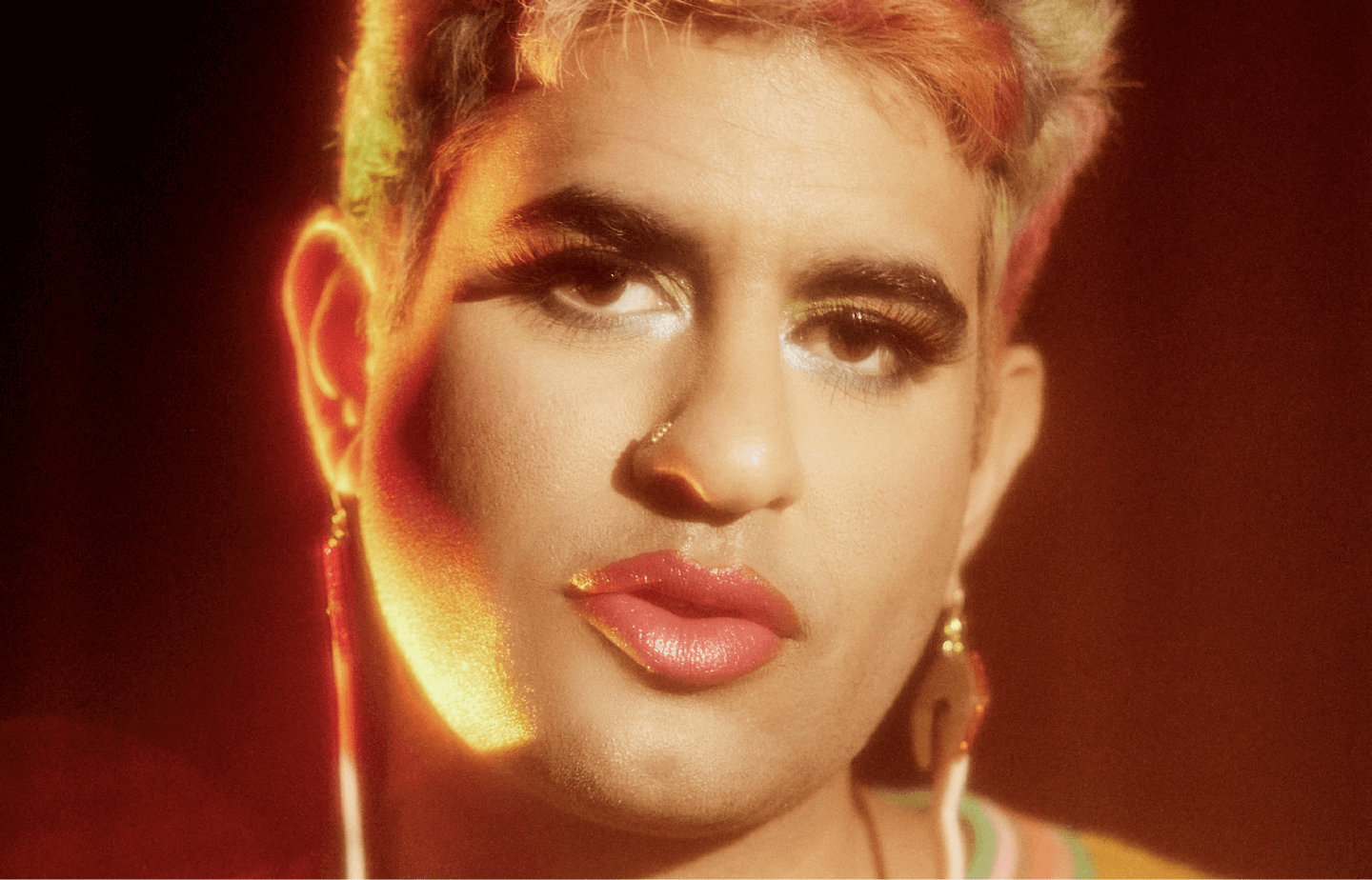
We caught up with acclaimed comedian, actor and author ALOK’s (they/them) following the release of their newest comedy special “BIOLOGY!”
The special is a hybrid blend of standup comedy and poetry, and is free to stream exclusively on alokvmenon.com. ALOK taped the hour-long special in NYC after they toured the special – over 150 shows in 36 countries.
Tell us about your new comedy special, “BIOLOGY!” and what the title means to you.
Well firstly it means that if people don’t watch my special they are — in fact — erasing biology, and that’s very hypocritical! Hehe. Jokes aside, what I started to notice was that often people use “biology” and “biological” to say that something is fixed and permanent. But truth is our biology is constantly changing — every part of us is constantly shifting, being regenerated. So I wanted to call the show biology because it’s a show about transformation: from grief to joy and back again. The true “biology” that’s being erased isn’t gender, it’s what it means to be human. And what it means to be human is that we are in constant flux.
How do you think comedy, laughter, and the community of a comedy show can impact people’s mental health?
In a world in which large crowds of people gather from fear, aggression, and distrust it feels powerful to bring people together in shared delight. There’s something that happens, and it’s really magical to witness, when people’s individual laughter melts into a collective. Or when someone like guffaws or snorts, and it gives permission to someone else to do the same. In our dissociated world laughter is one of the first points of entry back into our bodies. Laughter is a pathway to connect to one another, to feel like something greater than themselves. I often hear from audience members after the show that they didn’t realize how much they needed to laugh — and what a cathartic release it feels like. And how healing and meaningful it is to be with a group of LGBTQ+ folks laughing — despite everything we’re going through.
Your comedy tour spanned 150 shows in 36 countries! With such a demanding tour schedule, how did you support your mental health? What did your self-care look like?
It was definitely grueling, but I’ve been doing this for a while so I’ve developed some practices that help me. I have rituals on the road that ground me in who I am and why I do this — like breathing exercises and maintaining a journal. I try to bring friends with me so I have a support system, someone to debrief and process all the chaos around me. I work with promoters to collaborate with LGBTQ community across the world: as photographers, makeup artists, designers. That way I have instant community in a place where I might feel isolated.
Can you please share an inspiring message for LGBTQ+ young people?
I know that things might feel impossible right now but I want to remind you that you are part of a community that defies what’s possible every day. We come from a longstanding, sacred legacy of people who — despite everything — found ways to find each other and persist. You are never alone because you are part of something greater than yourself.