Youth's Lives Every Day
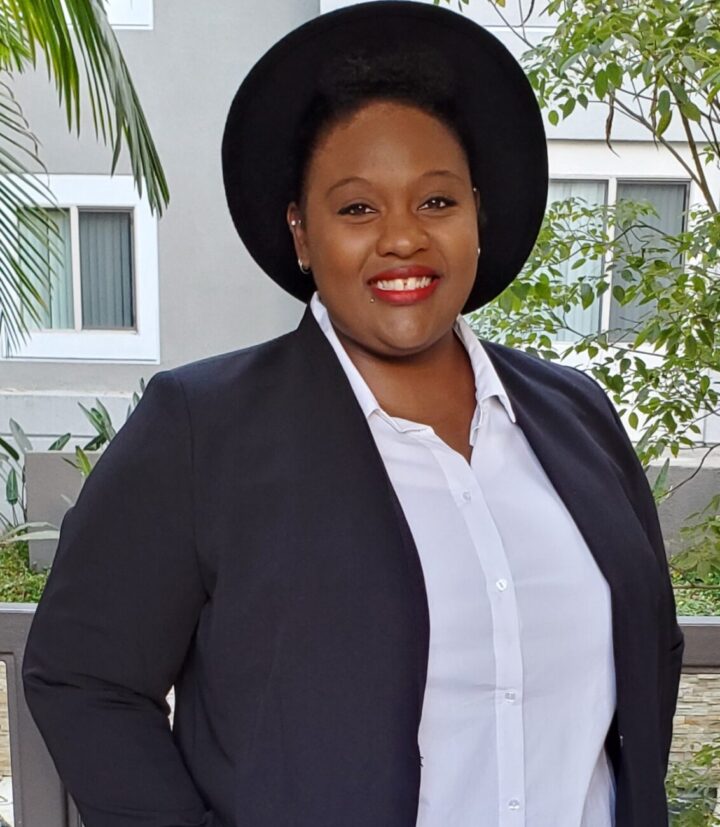
Following the first episode of our educational series “Sharing Space” moderated by longtime Trevor supporter Daniel Radcliffe, we’re proud to launch our second episode featuring one of Trevor’s own: Nova Bright-Williams, our Head of Internal Training, Learning, and Development, speaking to LGBTQ+ young people about how we can best show up for them.
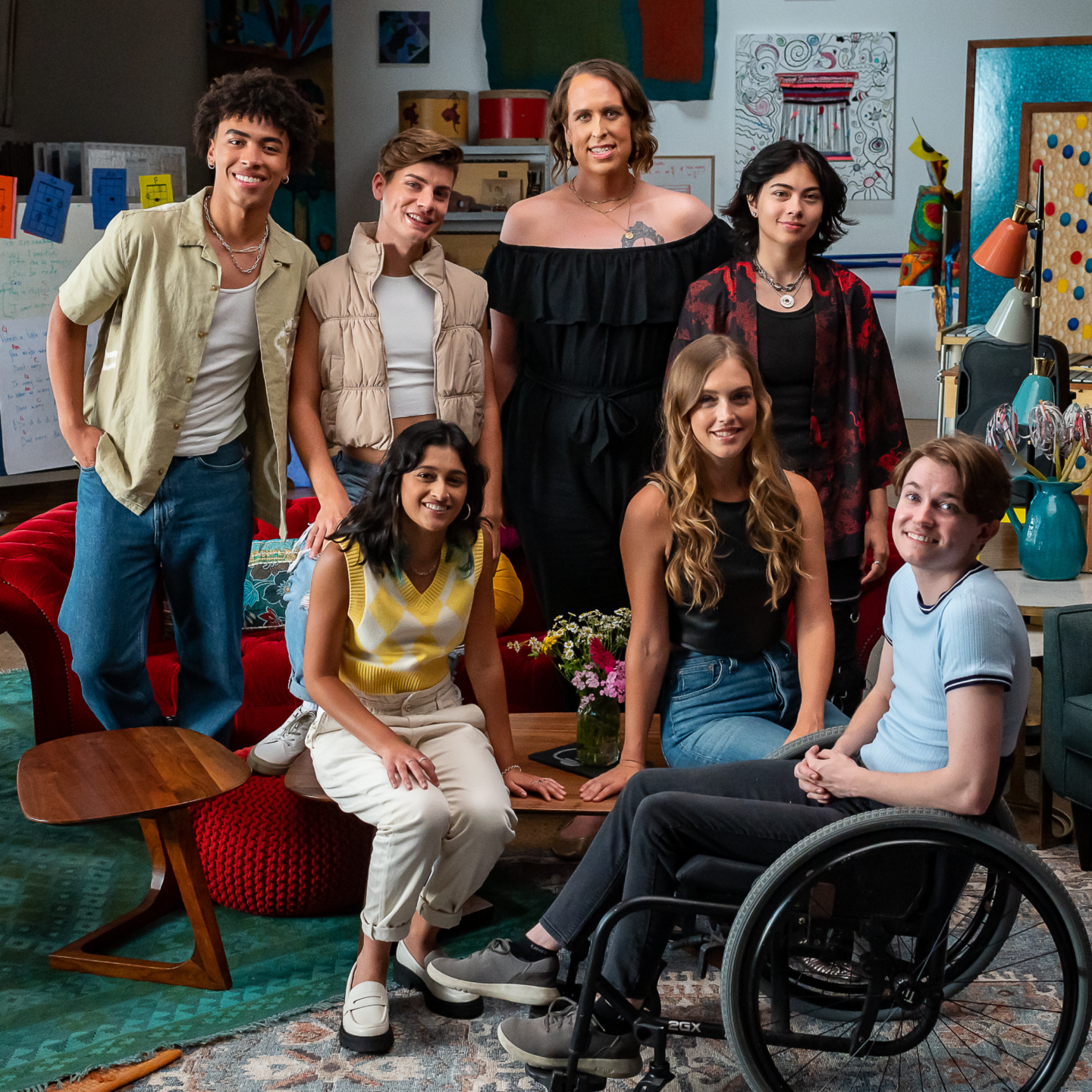
This second episode of “Sharing Space” features transgender, intersex, queer, and nonbinary young people who join Bright to talk about their experiences with gender euphoria, stigma, and acceptance. These candid conversations have the power to teach allies and LGBTQ+ people alike about the power of affirmation.
“I recently celebrated my first ever Trans Parent Day, not just as a trans woman myself but also as the parent of a trans teenager. I realized I am the rare double-trans-parent,” says Bright-Williams. As a parent, speaking to young people about their relationships with affirming adults isn’t just theoretical; it’s personal. “My husband and I expanded our family with an amazing son who is one of the most remarkable trans people I know. He is currently looking forward to getting his driving learner’s permit (help us all).”
Bright-William’s work follows our first episode with Radcliffe which is aimed at allowing LGBTQ+ young people to tell their own stories. “We listen to so many people talk about trans youth and hear them talked about so often in the news, but very rarely do we actually hear from these youth directly,” Radcliffe said on the first episode. Nova’s work at Trevor is focused on doing just that: sharing stories and helping people educate themselves better on how to be allies to LGBTQ+ young people. “I think it’s really important that we position ourselves as learners throughout our lives,” adds Bright-Williams.
The next episode of “Sharing Space” is out now and another opportunity to be inspired by the hope, resilience, and candor of these amazing LGBTQ+ young people.